Quick answer: Coleus forskohlii is a mint-family plant whose root contains forskolin, a compound that raises cellular cAMP — a messenger involved in fat breakdown and energy use. Human research is limited, so it’s best viewed as a supporting ingredient in a broader metabolic formula.
What is Coleus forskohlii?
Coleus forskohlii (now often classified as Plectranthus barbatus) grows in India, Nepal and Thailand. Its root has been used in traditional Ayurvedic practice for centuries.
How forskolin works
Forskolin activates an enzyme called adenylate cyclase, which increases levels of cyclic AMP (cAMP) inside cells. cAMP acts as a messenger that helps trigger fat breakdown (lipolysis) and other energy-related processes.
What studies show
A handful of small human studies have looked at forskolin and body composition, with mixed results. You can review studies in the PubMed research index. Realistic expectations matter: coleus supports metabolism as part of a formula — it’s not a standalone fat burner.
Why it’s included in glucose formulas
Healthy metabolism and healthy glucose balance go hand in hand. Supporting the body’s energy use complements chromium’s role in insulin action. Learn how these connect in weight loss and blood sugar balance.
Safety
Coleus may lower blood pressure and could interact with blood thinners and blood pressure medication. People with low blood pressure, ulcers or who are pregnant should avoid it. Always check with your doctor if you take medication.
Coleus in GlycoBarrier
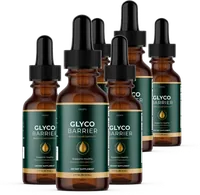
GlycoBarrier includes coleus within its proprietary blend alongside green tea and cayenne — three ingredients associated with thermogenesis and metabolic energy. See how GlycoBarrier works or order here.
Frequently Asked Questions
Is forskolin the same as coleus forskohlii?
Forskolin is the main active compound found in the root of Coleus forskohlii.