Quick answer: Choose a blood sugar supplement by checking for research-backed ingredients, clear labeling, sensible doses, quality manufacturing (GMP), honest claims, a fair price per day and a long money-back guarantee. Avoid products that promise to cure diabetes or replace medication.
Step 1: Look for evidence-backed ingredients
Start with ingredients that appear in government health resources: chromium (NIH fact sheet), Gymnema, ginseng, green tea, cinnamon and berberine. See our ingredient guides.
Step 2: Read the Supplement Facts panel
Check serving size, servings per container and which ingredients are listed separately versus in a blend.
Step 3: Understand proprietary blends
A proprietary blend shows the total weight but not each ingredient’s amount. It’s common and legal, but it means you rely on the brand’s formulation. Single key nutrients (like chromium) are often listed separately.
Step 4: Check quality signals
- Made in a GMP-certified facility
- Made in the USA or another tightly regulated country
- Non-GMO and free of unnecessary fillers
Step 5: Watch for red-flag claims
Avoid any product that claims to “cure,” “reverse” or “replace” medication. FDA rules require supplements to carry a disclaimer that they’re not intended to treat disease, as NCCIH explains.
Step 6: Compare price per day
Divide the bottle price by days of supply. A good formula usually costs $1.50–$3.00 per day; bundles reduce it.
Step 7: Demand a real guarantee
Look for at least a 60-day money-back guarantee and no hidden subscriptions.
Applying the checklist
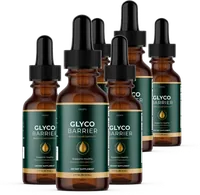
GlycoBarrier lists chromium picolinate separately, uses a 20-botanical blend, is made in a GMP facility, costs about $1.63 per day on the 6-bottle bundle and offers 60 days to decide. See our best blood sugar supplement drops checklist or check pricing.
Frequently Asked Questions
What is the most proven supplement for blood sugar?
Chromium has the most research history; herbs like Gymnema, ginseng and berberine also have supportive studies. None replace medical care.